Calendar Coincidences: How Soccer Deadlines Intersect With Global Thoroughbred Racing Highlights for Diversified Line Evaluation
Written by Uma Schmitt · Sep 17, 2026
Calendar Coincidences: How Soccer Deadlines Intersect With Global Thoroughbred Racing Highlights for Diversified Line Evaluation
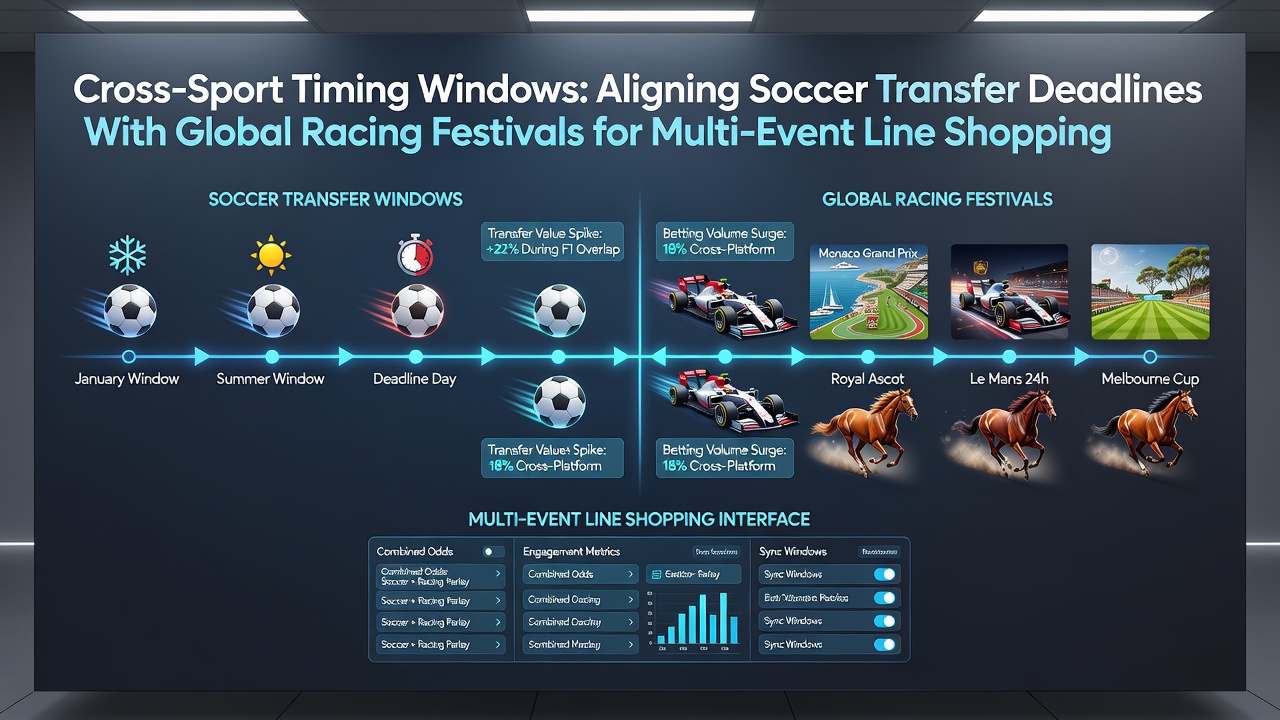
Transfer windows in soccer leagues around the world open and close at set intervals each year, creating predictable periods of roster movement that influence team performance projections, while major racing festivals take place on fixed dates across continents and generate concentrated betting activity on thoroughbred events. Observers note that these two calendars sometimes align closely enough for market participants to compare odds across soccer and racing lines during the same stretch of days, a process often described as multi-event line shopping. Data from industry reports indicate that European soccer transfer activity peaks in late summer and mid-winter, whereas festivals such as the Melbourne Cup in Australia and the Breeders' Cup in North America follow annual schedules that occasionally fall within those same windows.
Soccer Transfer Periods and Their Market Effects
Most top European leagues follow FIFA guidelines that restrict permanent transfers to two primary windows each season, with the summer period typically running from early June through early September and the winter window limited to January. Clubs finalize signings adn contract extensions during these intervals, which leads to updated team valuations that betting operators incorporate into match odds shortly afterward. Figures from UEFA competitions show that squad changes announced near the end of a window can shift pre-match lines by several percentage points within hours, particularly in leagues where depth at key positions changes noticeably. Those who track these announcements across multiple bookmakers often find brief discrepancies in totals and handicap markets before prices stabilize.
Global Racing Festival Schedules
Thoroughbred racing festivals draw international attention on set weekends throughout the year, with events like the Kentucky Derby in May, Royal Ascot in June, the Melbourne Cup in November, and the Japan Cup in late November each attracting large pools and detailed form analysis. Australian and Hong Kong racing authorities publish annual calendars well in advance, allowing operators to prepare special ante-post markets and live odds streams that run alongside the main race cards. Research compiled by racing industry groups reveals that turnover at these festivals frequently exceeds regular meeting volumes by factors of three to five, creating deeper liquidity in win, place, and exotic markets that can extend across several days.
September 2026 Overlaps and Cross-Sport Timing
In September 2026 the summer soccer transfer window in several European leagues is scheduled to close on the first Monday of the month, while the Prix de l'Arc de Triomphe meeting in France and supporting undercard races run across the first weekend. This proximity means roster announcements from clubs in England, Spain, and Italy occur within days of major European racing action, allowing operators to adjust both soccer futures and race-day lines during the same stretch. Observers at previous similar alignments have recorded brief periods when soccer goal totals and racing place markets moved in tandem before each sport's prices settled independently. Industry data indicate that such overlaps occur roughly once every two to three years depending on how national federations set their exact closing dates.
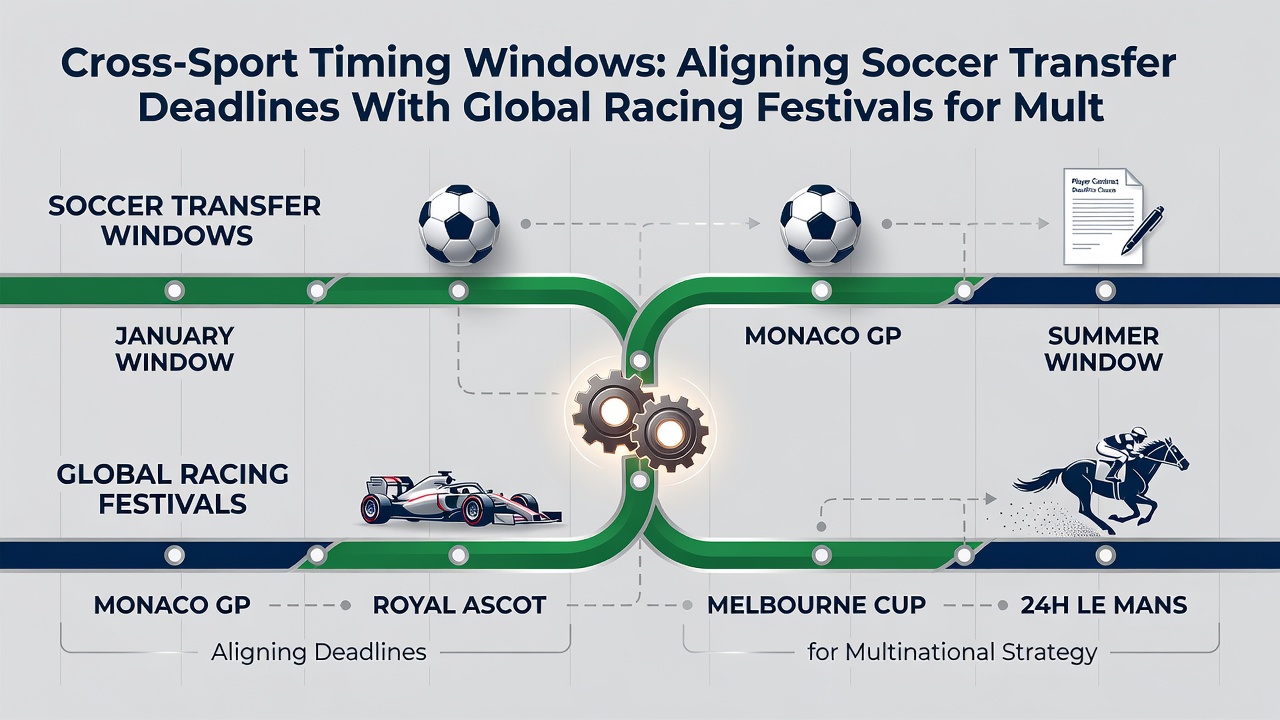
Operators in North America and Asia have begun publishing combined calendars that list both soccer deadlines and racing festival dates side by side, giving market participants a single reference point for planning line comparisons. According to materials released by Racing Australia, festival weeks generate increased volume in international betting pools that sometimes coincide with European soccer fixtures affected by late-window signings. Those monitoring price feeds across regions report that liquidity in both sports tends to peak during the first forty-eight hours after a major transfer announcement lands near a festival start date.
Line Shopping Mechanics Across Events
Line shopping in this context involves comparing odds offered by different operators on soccer matches and racing outcomes that fall within the same narrow time frame. When a prominent midfielder joins a new club on the final day of the window, for instance, certain bookmakers adjust the over/under line for that club's next fixture more aggressively than others, while racing operators simultaneously post updated morning-line odds for festival races. Research from academic studies on sports market efficiency shows that price discrepancies across operators narrow within hours once sufficient volume enters both markets, yet the initial window can last long enough for participants to place smaller stakes on the wider side before adjustments occur. Operators based in different regulatory jurisdictions often react at slightly different speeds because of local compliance requirements and risk-management protocols.
Examples from past seasons illustrate the pattern. During one September when the English window closed just before the St Leger meeting, several operators posted soccer handicap lines that moved two to three points after a high-profile signing, while place markets on the classic race adjusted independently based on track conditions and late scratchings. Participants who reviewed multiple feeds during that period recorded instances where the combined payout on a soccer-racing parlay exceeded the product of the individual odds because of staggered updates. Data collected by European betting associations indicate that such temporary misalignments appear more frequently when the two sports' key dates sit within seventy-two hours of each other.
Conclusion
Transfer deadlines in soccer and the fixed schedules of major racing festivals create recurring intervals where market activity in both sports occurs in close succession. Records maintained by international racing bodies and soccer governing organizations document these overlaps with increasing precision each year, allowing operators and market participants to anticipate periods of elevated line movement across disciplines. Continued publication of unified calendars by regional authorities is expected to make these timing relationships more transparent in future seasons, including the documented alignment scheduled for early September 2026.